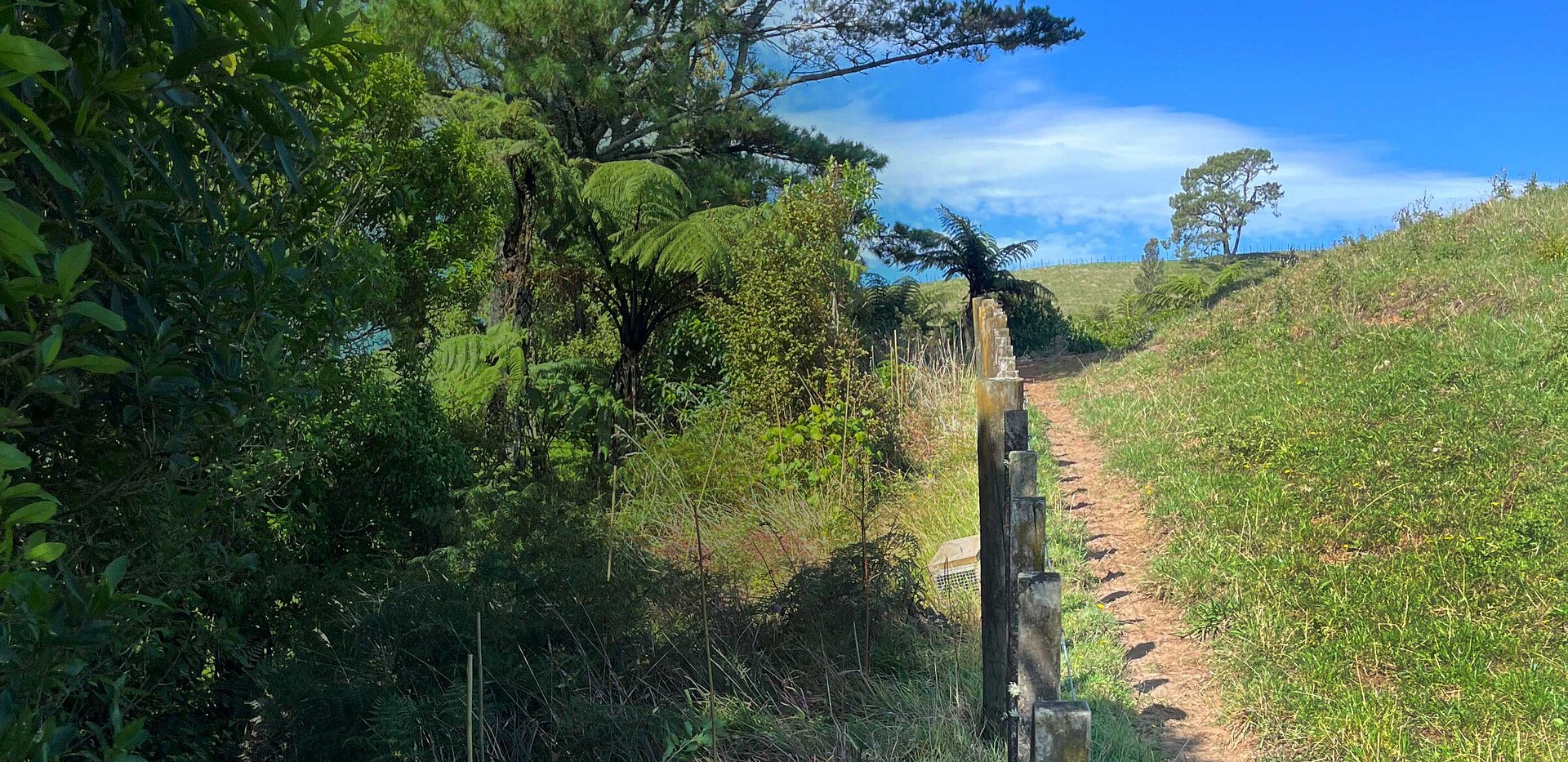
Could areas of native bush, wetland, stream margin or marginal land on your property support a future subdivision opportunity?
In some districts, protecting and improving land with environmental value may provide a pathway to create an additional lot or transfer a development right. These pathways are sometimes known as Environmental Benefit Lots, although their availability, name and requirements vary between councils.
An EBL is not itself a consent. The pathway must be provided for in the relevant District Plan, and council consent is still required. A conversation with your planner or surveyor can help establish whether there may be an opportunity worth exploring.
What’s involved?
Every property is different, but the process usually involves a planner or surveyor, an ecologist, council and an environmental delivery partner.
Council approval is required, and the environmental area may need to be legally protected, restored and maintained over time. Our free EBL Guide explains the pathway, who is involved and what the environmental work may require.
The Restore Native difference
Once an environmental subdivision opportunity has been identified, Restore Native can help turn the required environmental work into a practical plan—and deliver it on the ground.
We work alongside your planner, surveyor and ecologist, managing everything from native plant supply and planting through to weed and pest control, establishment and ongoing maintenance.
One restoration partner. One point of accountability.
When scale and experience matters
Restore Native is the largest full-service native planting provider in the Waikato — growing over 1 million native plants and completing 600,000+ trees planted every year.
In 2023, founder Adam Thompson received national recognition at the Primary Industries New Zealand Awards for his conservation and guardianship work.
Understanding EBLs in practice
What types of land are commonly involved?
EBL-related environmental areas typically include:
remnant native bush
wetland areas
riparian margins
purpose-designed restoration planting areas
These areas may already have ecological value, or they may be strengthened through active enhancement over time.
Why do landowners consider EBLs
EBLs are often considered to:
unlock additional subdivision entitlements
create lifestyle lots or transferable development rights
support farm succession or long-term land strategy
add value to land that is steep, wet, or inefficient to farm
The environmental outcome is the mechanism through which these subdivision opportunities are earned.
Want to know more?
Our downloadable e-book provides a clear, plain-English overview of Environmental Benefit Lots and the environmental work commonly associated with them.
Download our free EBL e-book
Supporting planners, ecologists
and rural advisers
If you’re supporting a landowner through an environmental subdivision project, Restore Native can provide the practical environmental delivery your client needs.
We work alongside the existing professional team, providing site input, costings, native plants, restoration planting, weed and pest control, establishment and ongoing maintenance. You retain responsibility for your specialist advice and the consent pathway, while we focus on delivering the approved environmental work on the ground.
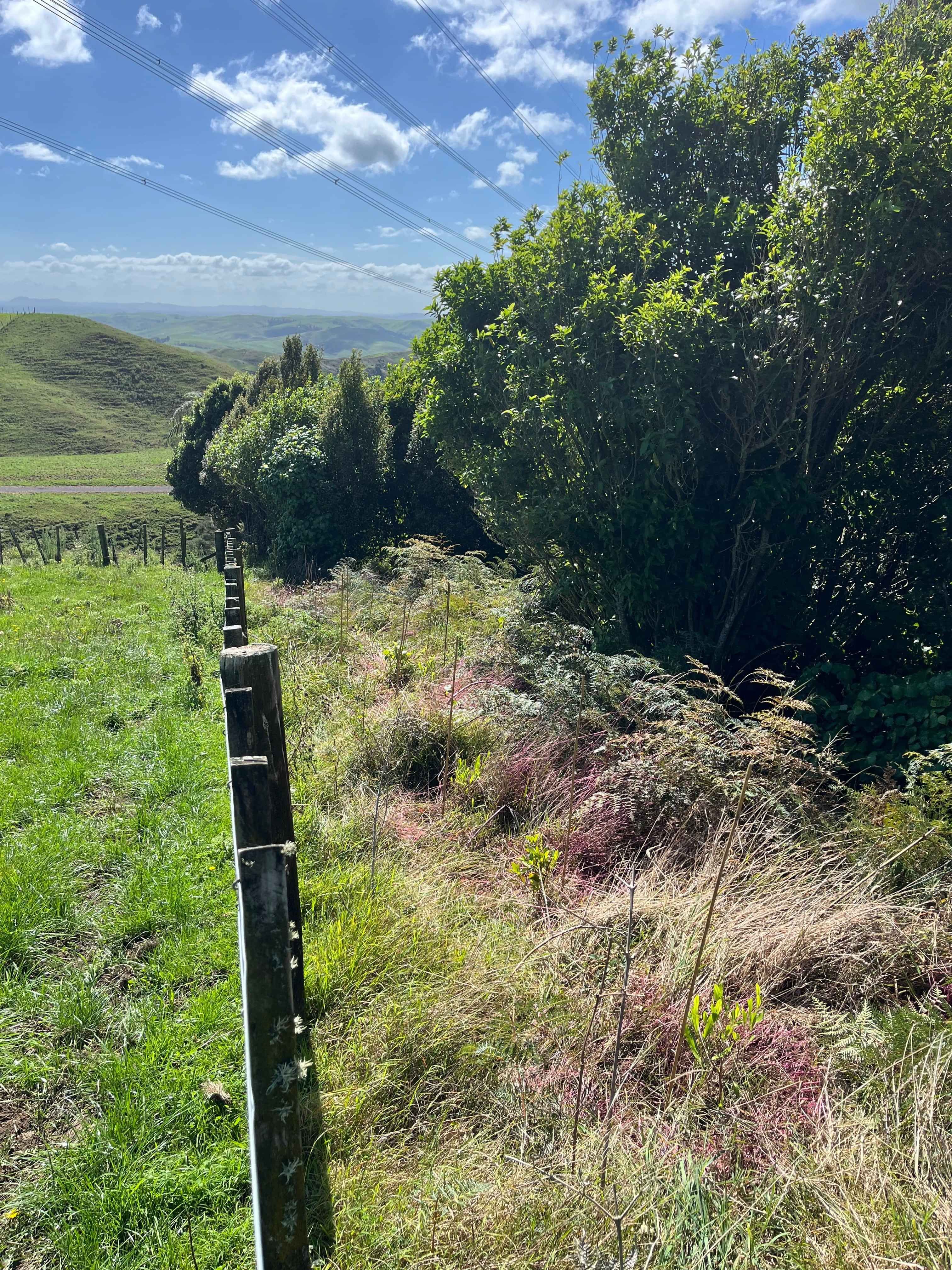
Talk to Adam about your environmental subdivision project
Chat with our team
Have a question or want to know more?
Get in touch with us, we’d be happy to help.
E: adam@restorenative.co.nz
P: 027 621 8665
Privacy Statement
Sign up
Keep up to date with the latest native planting & funding updates